Featured
Table of Contents
One of things the team members discovered helpful, she remembers, was building communication and boundary-setting abilities that they might make use of with their family participants. The team yapped concerning just how to remain tranquil, handle their body language and keep an analytic (as opposed to condemning) focus when having "brave dialogues" with relative concerning actions and patterns that had been embraced since of generational trauma, she says.
This customer's need not to pass on her injury responses to her youngsters, along with her stress and anxiety concerning being inadequate and abusive, is what led her to look for therapy, Guyton includes. When the client began to explore her household history, including the stress her grandma faced as she emigrated from her Caribbean homeland to the United States, she understood "I need to speak to her," Guyton remembers.
Guyton then prompted the customer to talk to her granny and share just how she was feeling. The customer reacted by saying, "I see you, Granny.
Given that we have some distinctions in our identities, what difficulties might we have in working with each other?" Goodman prompts counselors to broach this subject not only at the start of counseling collaborate with a client however additionally with regular check-ins throughout the partnership. "We [counselors] each need to determine for ourselves language that is genuine for us" to foster these conversations, she states.
Why Conventional Therapy Falls Short
"Privileged groups can still have generational injury, even though it's not spoken concerning as much," she says. "Any person who has experienced injury can pass it down.
The reality is that clients do not stay in a vacuum cleaner; they can work toward recovery separately in counseling however will ultimately return to live within their society and family system, she notes."Generational injury is just that a specific whose injury is continued within household and society," Petion includes. With this customer population, practitioners need to "think beyond the individual sitting in front of us" in counseling, she stresses, and focus on exactly how they are healing in link to their family members and neighborhood.
At the very same time, counselors must bear in mind that it may not be the client's function to "deal with" or heal their family or community, Mike cautions. "They might need to make peace with healing themselves without taking on whole systems," he claims. Generational injury "can be an organic thing, an emotional thing, a social thing.
However "therapy provides the space to relearn that [ and] an area where customers are heard and validated." is a former senior author and social media sites organizer for Therapy Today. Viewpoints shared and declarations made in articles appearing in Counseling Today do not necessarily represent the opinions of the editors or policies of the American Therapy Organization.
Treating Discrimination and Social Trauma
It can feel both defeating and verifying to uncover that the idea of generational injury reverberates with you. On one hand, it can be calming to recognize that you're not "insane" or alone in this experience. On the other hand, you might not know how to move ahead with this details.
There are tons of excellent sources out there, including videos, social media sites blog posts, and podcasts. Beyond on-line content, I also urge you to explore some generational trauma books. It can be unbelievably verifying to hear from people with similar experiences, including researchers with a deep understanding of these characteristics.
Session length is figured out on the individual client requirements. AEDP is normally used in outpatient treatment facilities or personal technique settings.
Particular or regular pairs therapy sessions can be included as required to support the primary customer. Therapy has a tendency to be lasting, with therapy duration generally surpassing one year. IFS is a healing approach which sees the internal system as having subparts or subpersonalities, each with distinct systems of being internally organized to ideal serve the setting an individual is in.
EMDR for Intergenerational Trauma
This self includes a person's strengths and abilities which normally guides a person to a healthy and balanced life or recovery. IFS' objective is to attain balance within the internal system by: differentiating the self from various other subparts, enabling the self to lead with subparts support, andallowing all subparts to exist with cooperative, non-extreme intent.
As a result of its personalized nature, length of treatment is reliant upon the requirements of the client(s). IFS is usually helped with in an outpatient setup. Acknowledging the details challenges experienced by adult survivors of complicated trauma, STAIR/MPE is a two-phase healing treatment concentrated on ability structure and exposure-based treatment in the context of an empathetic and reliable connection.
Generational Trauma in First-Generation Families
Customers are provided with ability training to: enhance law capabilities, enhance distress tolerance, andexplore brand-new techniques of engaging with and connecting to others, setting the foundation for the 2nd phase of therapy. Phase two sustains customers in further processing with demanding scenarios utilizing a modified version of prolonged direct exposure. With, clients are exposed to trauma-related memories to: boost awareness of the client's affective and emotional experience, method guideline skills, andprocess via tough styles such as rejection, embarassment, loss, and dishonesty.
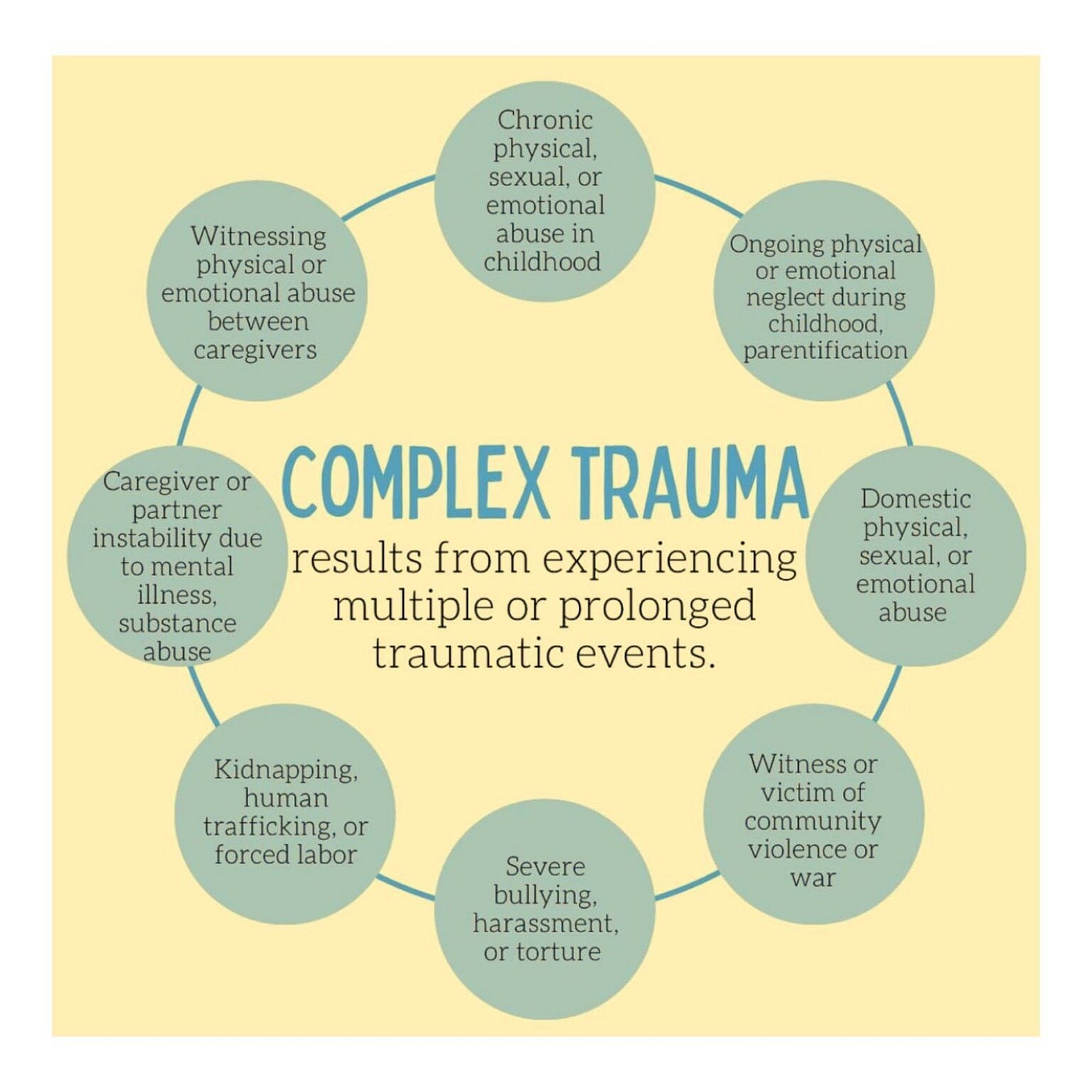
These experiences can leave durable signs and symptoms well after the occasion mores than. In the case of developmental injury, trauma which is typically relational and repetitive overtime, an individual may not recognize exactly how their past experiences can be linked to a variety of signs and symptoms. Problems with link to others, an overall sense of anxiousness or fear, a total tingling or feeling of not being fully active are several of the factors to check out trauma therapy.

Latest Posts
Weekend Mental Health Retreats in RI: What Duration is Ideal for You?
Solo vs Group Wellness Retreats in MA
Executive Mental Health Retreats in Providence: Balancing Work and Wellness